
DIABETES AND YOUR VISION! Your questions answered
Do I need to see an optometrist if I don’t have vision problems?
Diabetic retinopathy may not affect your vision in the early stages, so it is very important to have regular eye health examinations.
Diabetic retinopathy is the leading cause of preventable vision loss and blindness among working-age Australians. Early detection and treatment greatly reduce the risk of future vision loss.
Does poor vision mean diabetes has damaged my eyes?
The most common reason people with diabetes cannot see the eye chart clearly is the same reason as everyone else — long-sightedness, short-sightedness, or astigmatism.
People with diabetes can also experience fluctuating vision, often caused by poorly controlled blood sugar levels. However, most people can see clearly with the correct prescription glasses.
What is diabetes?
To function, the body converts glucose (sugar) from food into energy using insulin. Diabetes occurs when the body produces too little insulin, produces no insulin, or when the body becomes resistant to insulin. This leads to high levels of glucose in the blood.
How does diabetes affect your eyes?
Diabetes can affect many parts of the eye. In the early stages there are often no symptoms. Possible symptoms may include blurred or fluctuating vision, double vision, or flashes and floaters.
Diabetes can also increase the risk of developing cataracts and glaucoma. The most serious eye complication of diabetes is diabetic retinopathy.
What causes diabetic retinopathy?
Diabetic retinopathy occurs when high blood sugar damages the small blood vessels in the retina — the light-sensitive tissue at the back of the eye. This damage can cause the vessels to leak blood, the retina to swell, and abnormal new blood vessels to grow.
If left untreated, diabetic retinopathy can lead to blindness.
Who gets diabetic retinopathy?
The risk of developing diabetic retinopathy increases the longer a person has diabetes and if blood sugar levels are not well controlled. Other risk factors include smoking, poor diet, and high blood pressure.
Managing blood sugar levels as well as possible is important in reducing the risk of diabetic retinopathy.
How does an optometrist diagnose diabetic retinopathy?
Your optometrist will perform a thorough eye examination. Eye drops are often used to dilate the pupils so the retina can be examined more closely.
Photographs or scans of the retina may also be taken to monitor any changes over time. People with diabetes may need eye examinations more frequently than the usual two-year interval.
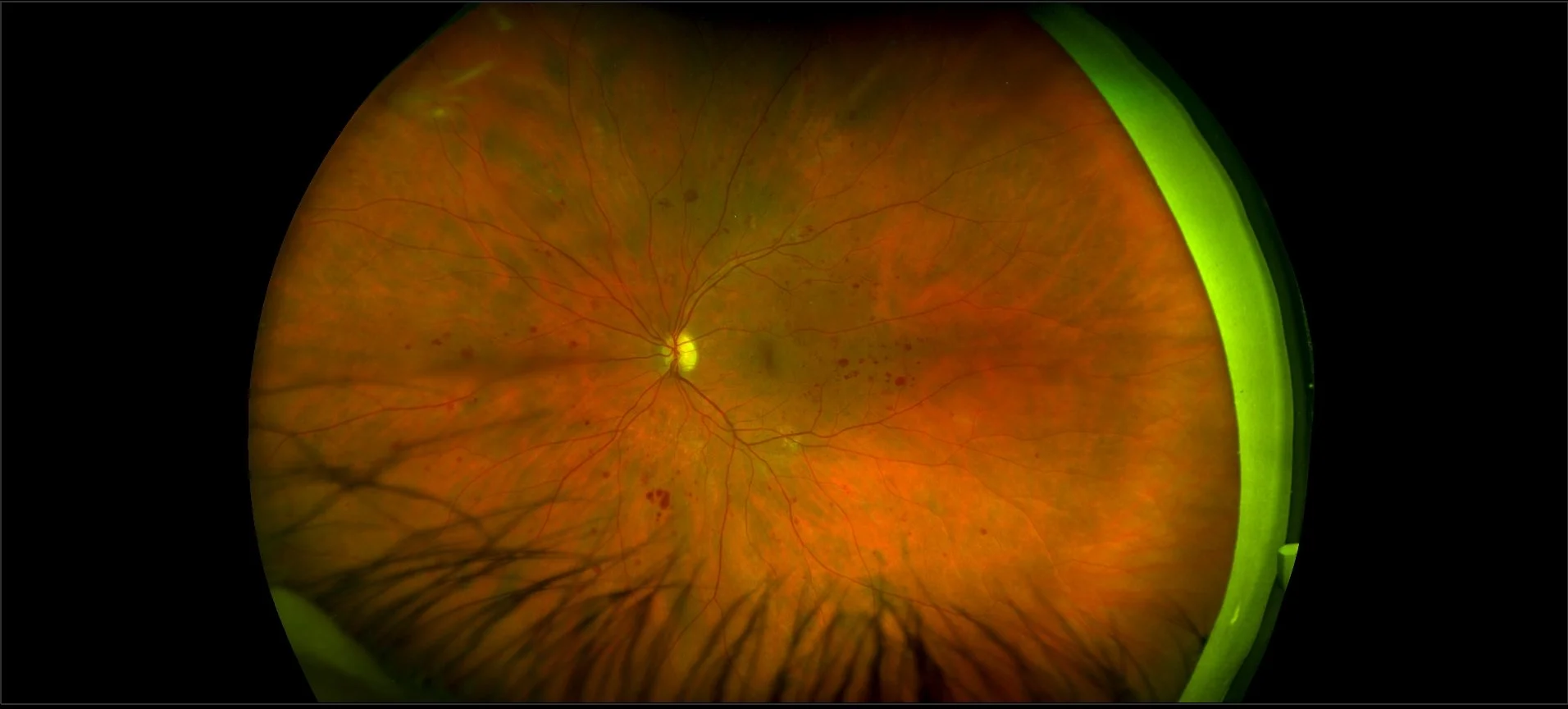
Ultra wide field digital retinal imaging (OPTOS) -capturing the diabetic retinopathy in the eye.
How is diabetic retinopathy treated?
In the early stages, diabetic retinopathy is usually monitored with regular eye examinations.
If more advanced disease is detected, your optometrist will refer you to an ophthalmologist for treatment. Treatments may include anti-VEGF injections or laser therapy to treat leaking blood vessels. In some cases, surgery may be required.
Treatment aims to prevent further damage and preserve vision. Unfortunately, treatment cannot usually restore vision that has already been lost.
Early detection and treatment remain the best ways to reduce the risk of vision loss from diabetic retinopathy.
If you have any questions about diabetes or your eye health, please contact Rose Optometry in Berry on (02) 4216 8628 to speak with our optometrists, Robert Rose or Anna Richter.
You can also book an appointment online.
